
Is Sterling Silver Safe for Sensitive Skin?
October 9, 2026 Share LinkTable of Contents
- Why Sterling Silver Is Safe for Sensitive Skin
- Is 925 Sterling Silver Hypoallergenic?
- Sterling Silver Allergy Symptoms and What Triggers Them
- How to Tell If Jewellery Is Nickel Free
- What to Do If Jewellery Irritates Your Skin
- Caring for Sterling Silver to Minimise Reactions
- Frequently Asked Questions
Last Updated: October 9, 2026
Why Sterling Silver Is Safe for Sensitive Skin
Sterling silver is a safe choice for people with sensitive skin, and understanding whether sterling silver is safe for sensitive skin helps you make informed jewellery decisions. The metal itself rarely triggers allergic reactions because it contains minimal irritants. When properly crafted and cared for, sterling silver jewellery offers comfort and style without the worry of painful reactions.
Sterling silver is safe for sensitive skin because of its composition and purity standards. The metal used in quality jewellery pieces is typically 92.5% pure silver, with the remaining 7.5% made up of other metals like copper. This high silver content means fewer potential allergens touching your skin.
The reason many people experience jewellery-related irritation comes from nickel, a common metal used in cheaper alloys. Sterling silver contains little to no nickel when produced to proper standards, making it a reliable option for those prone to reactions. At Namana, every piece is crafted from genuine 925 sterling silver, rhodium-plated to add an extra protective layer that further reduces the risk of skin irritation.

Understanding what makes a metal safe for sensitive skin helps you make confident choices about the jewellery you wear daily.
Is 925 Sterling Silver Hypoallergenic?
925 sterling silver is hypoallergenic in the sense that it causes fewer allergic reactions than most other metals. The term "hypoallergenic" doesn't mean completely allergy-free, no metal is truly hypoallergenic for everyone, but it describes metals that trigger reactions in fewer people.

The 92.5% pure silver content in 925 sterling silver makes it one of the safest metal choices available. Pure silver itself is non-reactive with most skin types. The small amount of copper or other metals mixed into sterling silver rarely causes problems, especially when the jewellery is properly finished.
Rhodium plating adds another layer of protection. This thin coating sits between your skin and the underlying metal, creating a barrier that prevents direct contact. Namana applies rhodium plating to all sterling silver pieces, which means the jewellery offers maximum comfort for sensitive skin wearers.
If you've had reactions to jewellery before, sterling silver is worth trying. Many people who experience sensitivity with other metals find that properly made sterling silver pieces sit comfortably on their skin without irritation.
Sterling Silver Allergy Symptoms and What Triggers Them
Jewellery allergies typically show up within hours or days of wearing a piece. Common signs include redness, itching, swelling, or a rash where the metal touches your skin. Some people develop a green or dark mark on their skin where the jewellery sits.
Nickel is the most common trigger for jewellery-related allergies. Even small amounts of nickel in an alloy can cause problems for sensitive people. When nickel-containing jewellery sits against warm, moist skin, the metal can leach slightly, triggering an immune response.
Other metals that occasionally cause reactions include:
- Copper (especially in older or lower-quality pieces)
- Zinc
- Cobalt
- Lead (in very old or poorly made jewellery)
Sterling silver avoids most of these issues because of its high silver content and minimal nickel. However, reactions can still happen if the copper content is high or if the piece isn't properly finished.

Sweat, moisture, and heat all increase the chance of a reaction. Wearing jewellery during exercise or in humid conditions can speed up any potential irritation. This is why proper care and choosing the right metal from the start matters so much for people with sensitive skin.
How to Tell If Jewellery Is Nickel Free
The easiest way to identify safe jewellery is to look for a hallmark stamp. Real sterling silver pieces carry a "925" or "sterling" mark stamped somewhere on the metal. This mark guarantees the piece meets the 92.5% purity standard.
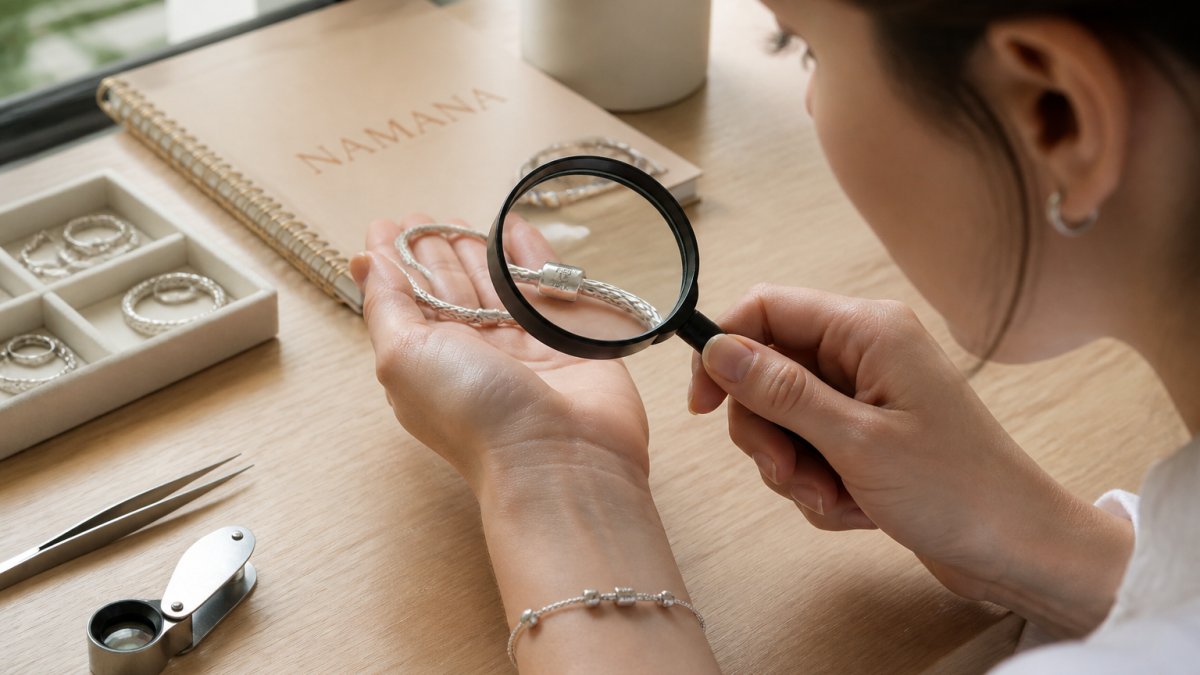
Check these specific spots for hallmarks:
- Inside the band of a ring
- On the clasp of a necklace or bracelet
- Behind a pendant or charm
- On the post of an earring
If you don't see a hallmark, the jewellery likely isn't sterling silver. Unmarked pieces may contain nickel or other allergens that could trigger a reaction.
Another helpful indicator is the seller's reputation. Established retailers like Namana clearly state the metal content and provide details about their pieces. If a seller won't specify what metal their jewellery contains, that's a red flag.
925 Sterling Silver Tiny Bar Stud Earrings for Women →
You can also request a certificate of authenticity. Many quality jewellery makers provide documentation proving their pieces meet sterling silver standards. This gives you confidence that what you're buying is genuinely safe for sensitive skin.
What to Do If Jewellery Irritates Your Skin
If you develop a reaction after wearing jewellery, remove it immediately. Wash the affected area gently with mild soap and cool water. Pat dry and leave the skin uncovered for a few hours to allow it to breathe.
For mild irritation, these steps usually bring relief within a day or two:
- Apply a fragrance-free moisturiser to soothe the area
- Avoid wearing any jewellery on that spot for at least a week
- Wear loose clothing that doesn't rub the irritated skin
- Take an over-the-counter antihistamine if itching is severe
If the reaction is more serious, with significant swelling, blistering, or spreading rash, consult a doctor. A healthcare professional can determine whether you've developed a metal allergy or if something else caused the reaction.
Once your skin heals, switch to jewellery made from metals you know are safe, and if you're wondering whether sterling silver is safe for sensitive skin, the answer is yes for most people. Sterling silver is an excellent next choice if you haven't worn it before. The rhodium-plated sterling silver pieces from Namana offer extra protection because the plating creates a barrier between your skin and the underlying metal.
Keep a record of which metals cause problems. This helps you avoid similar pieces in future and makes shopping for safe jewellery much easier. Over time, you'll develop a clear sense of what works for your skin.
Caring for Sterling Silver to Minimise Reactions
Proper care keeps sterling silver jewellery clean and safe for sensitive skin. Regular cleaning removes dirt, sweat, and oils that can build up on the metal's surface and trigger irritation.
Clean your sterling silver jewellery weekly with these simple steps:
- Use a soft, lint-free cloth to gently wipe the piece
- For deeper cleaning, soak in lukewarm water with a tiny drop of mild washing-up liquid
- Rinse thoroughly with clean water and pat dry immediately
- Never use harsh chemicals or abrasive cloths
Store jewellery in a dry place away from moisture. Humidity and dampness can speed up tarnishing and create a buildup that irritates skin. A jewellery box or soft pouch works well.
Avoid wearing jewellery during activities that cause heavy sweating. Sweat creates moisture that increases the chance of a reaction. Remove pieces before exercise, swimming, or hot weather activities, then clean them before wearing again.
The rhodium plating on Namana's sterling silver jewellery provides built-in protection, but it can wear over time with regular wear. As the plating thins, the underlying silver becomes more exposed. This doesn't make the jewellery unsafe, it just means you should clean it more frequently and store it carefully.
If your piece starts to show signs of wear, you can have it re-plated by a professional jeweller. This restores the protective barrier and extends the life of your jewellery. Many people find this worthwhile for pieces they wear daily or love particularly.
Frequently Asked Questions
Is sterling silver safe for sensitive skin?
Yes, sterling silver is generally safe for sensitive skin when it is genuine 925 sterling silver. The alloy contains 92.5% pure silver and 7.5% other metals, typically copper. Pure silver itself is hypoallergenic and rarely causes reactions. However, the remaining 7.5% can sometimes include nickel, which is a common allergen. Look for rhodium-plated sterling silver, as this protective coating acts as a barrier between your skin and any base metals, significantly reducing the risk of irritation.
What causes sterling silver allergy symptoms?
Sterling silver allergy symptoms are usually caused by nickel, not the silver itself. When sterling silver contains nickel in its alloy composition, prolonged contact with your skin can trigger reactions like redness, itching, or swelling. Some people may also react to copper, another common alloy metal. Symptoms typically appear after several hours of wear and worsen with moisture or sweat, which increases metal ion release. Quality sterling silver jewellery from reputable makers minimises nickel content and often includes protective plating to prevent direct skin contact.
How can I tell if my jewellery is nickel free?
Check for a hallmark stamp inside or on the jewellery that reads '925' or 'Sterling Silver', which indicates genuine sterling silver. Buy from established retailers who provide certification of their materials and sourcing. Rhodium-plated sterling silver is an excellent choice because the protective coating prevents nickel exposure. Avoid jewellery marked only as 'silver-plated' or 'silver-tone', as these may contain higher nickel percentages. If you have severe nickel sensitivity, ask the retailer specifically about nickel content in the alloy before purchasing.
What should I do if sterling silver jewellery irritates my skin?
If you experience irritation, stop wearing the piece immediately and wash the affected area with mild soap and water. Apply a fragrance-free moisturiser or antihistamine cream if itching persists. Allow your skin to recover for at least 24 hours before wearing jewellery again. Consider switching to rhodium-plated sterling silver pieces, which provide a barrier against base metals. If irritation continues with multiple sterling silver pieces, you may have a nickel sensitivity and should prioritise pieces explicitly marketed as nickel-free or consider alternative materials. Consult a dermatologist if reactions are severe.
Choosing the right jewellery for sensitive skin doesn't mean sacrificing style. Sterling silver offers both beauty and safety, making it an ideal choice for everyday wear and special occasions. Namana's collection of 925 sterling silver pieces combines quality craftsmanship with rhodium plating for maximum comfort. Browse the selection today and find jewellery that feels as good as it looks.
925 Sterling Silver Tiny Bar Stud Earrings for Women Back to blog