
Is Sterling Silver Worth It Over Costume Jewellery?
November 1, 2026 Share LinkLast Updated: November 1, 2026
Quick Summary
Sterling silver is worth it if you want jewellery that lasts and holds its value. Each piece is 92.5% pure silver, marked with a 925 stamp, so it stays solid and can be polished for years of daily wear. Costume jewellery suits trend-led, occasional pieces, while sterling silver suits everyday staples.
- Look for the 925 stamp, which confirms the piece is 92.5% pure silver.
- Sterling silver is solid throughout, so it can be cleaned and polished over time.
- Remove sterling silver before swimming, showering, exercising or applying lotion to slow tarnishing.
- Store each piece separately in a dry place, ideally in a sealed bag or lined box.
Table of Contents
- What Sterling Silver Means and What the 925 Mark Tells You
- How Sterling Silver Compares With Costume Jewellery
- Fine, Fashion and Costume Jewellery: Defining the Materials
- Pros and Cons of Sterling Silver Versus Costume Jewellery
- Can You Wear Sterling Silver Every Day Without Damage?
- How to Care for Sterling Silver Jewellery and Prevent Tarnish
- Choosing Your Next Namana Piece in Sterling Silver
- Frequently Asked Questions
What Sterling Silver Means and What the 925 Mark Tells You
Sterling silver is a precious metal that many people choose for everyday jewellery. When you see the "925" stamp on a piece, it means the item is made from 92.5% pure silver, with the remaining 7.5% made up of other metals, usually copper, which adds strength. This is why sterling silver holds its shape well and suits pieces worn daily.
The 925 mark is your first clue to what you are buying. Look for it on earrings, necklaces and bracelets before you buy. A genuine stamp is a useful starting point, though you should also check the seller's product details. For example, the 925 Sterling Silver 4 Leaf Clover Stud Earrings for Women are made in rhodium-plated 925 sterling silver, which adds a protective layer that reduces tarnishing.

If you want practical ways to check a piece, our guide on how to tell real 925 sterling silver: 7 tests walks through them step by step.
How Sterling Silver Compares With Costume Jewellery
When choosing between sterling silver and costume jewellery, it helps to compare them across the criteria that matter most: material composition, durability, skin compatibility, long-term cost, and care requirements. Neither is universally better; the right choice depends on how you plan to wear and keep your pieces.
Material composition and quality
Sterling silver is a precious metal alloy containing 92.5% pure silver and 7.5% other metals, usually copper, for strength. It is hallmarked with the 925 stamp, which provides a basic guarantee of authenticity. Costume jewellery, by contrast, is typically made from base metals such as brass or stainless steel, often with a plated finish. Quality varies between pieces, so each one is best judged on its own material details.
Durability and lifespan
Sterling silver is solid throughout, so it can be cleaned and polished. It may tarnish over time, but this is a surface reaction that can be cleaned away. Costume jewellery is often designed for occasional or trend-led wear, where a shorter life is acceptable.
Skin sensitivity and allergies
Sterling silver is generally well tolerated, though the 7.5% alloy metals can occasionally cause reactions in highly sensitive individuals. If you have sensitive skin, look for pieces explicitly labelled nickel-free and check the product description for material details.
Total cost over time
Sterling silver typically costs more upfront than costume jewellery. A sterling silver piece that lasts for years can work out economical over time, while costume jewellery allows you to experiment with trends at low cost, which is a valid strategy if you enjoy variety.
Care and maintenance
Sterling silver benefits from regular polishing and careful storage. Costume jewellery is often lower maintenance in the short term, while sterling silver can be restored with polishing when it tarnishes.
Verification before buying
For sterling silver, check for the 925 hallmark and read the product description for plating or finishes. For costume jewellery, look for details on base metal and plating thickness. A common pattern is that sellers who provide full material disclosures are more reliable, regardless of the type of jewellery.
In summary, sterling silver offers longevity, repairability, and material value, while costume jewellery offers affordability, variety, and trend responsiveness. Many people keep both in their collection: sterling silver for everyday staples and costume pieces for occasional fun.
The article sets out how the two compare across the criteria that matter most, so here is a quick summary.
925 Sterling Silver 4 Leaf Clover Stud Earrings for Women →
| Factor | Sterling silver | Costume jewellery |
|---|---|---|
| Material | 92.5% silver alloy with 925 stamp | Base metals such as brass or stainless steel |
| Durability | Solid throughout, can be polished | Often designed for occasional or trend-led wear |
| Skin sensitivity | Generally well tolerated; nickel-free labels help | Varies by piece; check material details |
| Upfront cost | Typically higher | Typically lower |
| Care | Regular polishing and careful storage | Lower maintenance in the short term |
Fine, Fashion and Costume Jewellery: Defining the Materials
Jewellery is commonly grouped into three categories, but the boundaries can blur. Understanding these definitions helps you set realistic expectations and ask the right questions when buying.
Fine jewellery is made from precious metals such as gold, platinum, or sterling silver, and may include precious gemstones. It is valued for its material content and craftsmanship, and it is typically built to last. Fine jewellery often carries hallmarks that certify its metal purity (Hallmarking: practical guidance - summary).
Fashion jewellery is a broader term that can include pieces made from sterling silver, gold-plated silver, or base metals. It is design-led and often more affordable than fine jewellery, but quality can vary widely. Some fashion pieces use solid sterling silver, while others use thin plating over brass.
Costume jewellery specifically refers to pieces made from base metals and inexpensive materials, usually with a plated or coated finish. It is designed for fashionable, short-term wear rather than lasting value. However, costume jewellery is not a single quality tier: it ranges from very cheap, thin-plated items to better-made pieces with thicker plating and more durable base metals. The base metal can be brass, copper, stainless steel, or zinc alloy, and the plating might be gold, silver, rhodium, or a coloured finish. This variation means that skin reactions, durability, and wear patterns differ significantly from one costume piece to another. Skin reactions and wear can differ from one piece to another, so checking the material details is a good idea.
When shopping, look beyond the category label. For sterling silver, check for the 925 hallmark. For costume jewellery, read the material details: what is the base metal? What is the plating? Is it labelled nickel-free? A seller who provides this information is more likely to offer a product that meets your needs. At Namana, we sell both 925 sterling silver and costume jewellery, and we aim to describe each piece accurately so you can choose what suits your lifestyle and budget.
Pros and Cons of Sterling Silver Versus Costume Jewellery
Sterling silver has clear advantages. It is made from a precious metal with material value, it can be cleaned and polished, and it suits pieces you plan to keep for years. Its main drawback is that it costs more upfront and tarnishes over time if it is not looked after.
Costume jewellery is strong on price and variety. You can buy many styles for the cost of one sterling silver piece, which makes it easy to experiment, and it suits trend-led and occasional wear.
Neither option is the wrong choice in every case. If you wear jewellery every day and want pieces to last, sterling silver is usually the better investment. If you want to try trends or buy for a single occasion, costume jewellery can be a sensible choice.
Can You Wear Sterling Silver Every Day Without Damage?
Yes, sterling silver is suitable for everyday wear, with a few sensible habits. Remove pieces before swimming, showering, exercising or applying body lotion or moisturiser, as water, sweat and cosmetics can speed up tarnishing. Store each piece separately so it does not scratch against other jewellery.
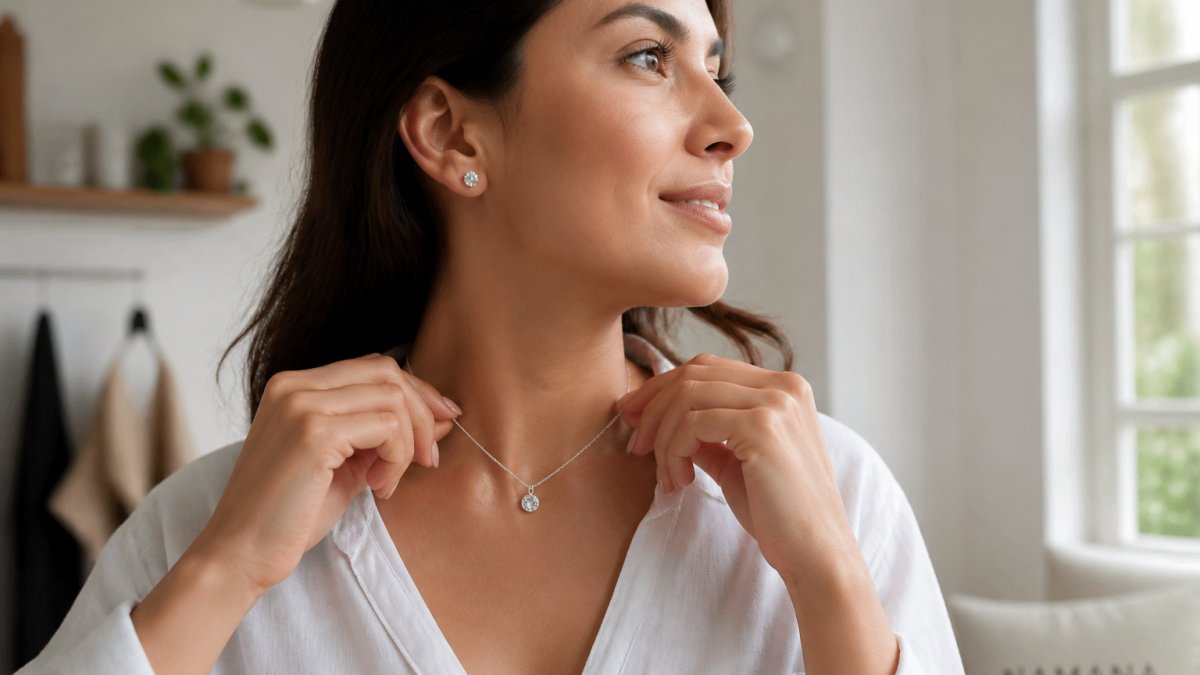
A quick tip: put your sterling silver on after you have finished getting ready, not before. This simple habit reduces exposure to products that can dull the finish.
For a pair that suits daily wear, consider the High Quality Everyday Silver Earrings Review, which looks at how everyday silver pieces hold up in practice.
How to Care for Sterling Silver Jewellery and Prevent Tarnish
Tarnish is a natural reaction between silver and the air, and it does not mean a piece is ruined. Gently polish your jewellery with a soft, dry cloth after wearing it to remove oils and light marks. For deeper tarnish, use a silver polishing cloth or a mild cleaner made for silver, and rinse and dry the piece thoroughly afterwards.
Store your jewellery in a dry place, ideally in a sealed bag or a box lined with soft fabric. Keeping pieces away from humidity slows tarnish. Many Namana pieces come presented in a specially designed jewellery box.
Choosing Your Next Namana Piece in Sterling Silver
When choosing a sterling silver piece, consider how you will wear it most. For everyday studs, the 925 Sterling Silver 4 Leaf Clover Stud Earrings for Women are priced at £29.99. For a layered look, the 925 Sterling Silver 4 Leaf Clover Pendant Necklace for Women is £39.99, and the Lucky 4-Leaf Clover Dainty Bracelet in 925 Sterling Silver For Women is £31.99.


Whichever you choose, look for the 925 mark, check the material details, and buy pieces you will reach for often. Namana offers free UK delivery with no minimum spend.
Frequently Asked Questions
Is sterling silver considered good jewellery?
Yes, sterling silver is considered good quality jewellery because it is made from 92.5% pure silver with the remaining 7.5% made up of other metals, usually copper, which adds strength for everyday wear. The 925 mark confirms that composition. Well-made sterling silver items can be worn for years with basic care. For everyday pieces that need to look good and last, it is a sensible choice.
What is the difference between sterling silver and costume jewellery?
Sterling silver is made from a precious metal with a defined composition, marked 925, and it retains material value. Costume jewellery is usually made from base metals such as brass or stainless steel, often with a plated finish, and it is designed to suit trends at a lower price point. It is well suited to occasional wear and experimenting with style, while sterling silver suits pieces you intend to wear regularly and keep over time.
Can you wear sterling silver every day?
Yes, sterling silver is suitable for daily wear. Its solid composition is more durable than thin plating, and Namana finishes its sterling silver pieces with rhodium plating, which adds a protective layer that reduces tarnishing and keeps the shine. Taking pieces off before showering, swimming or exercising, and storing them dry, will help them last longer.
How do I know if sterling silver is genuine?
Look for the 925 mark, which indicates that the piece contains 92.5% silver. Buy from a retailer that describes its materials clearly and provides accurate product details. Namana's sterling silver jewellery is made from 925 sterling silver and is presented in a jewellery box, making it suitable for gifts.
925 Sterling Silver 4 Leaf Clover Stud Earrings for Women Add namana.london as a preferred source on Google →
Back to blog